
Legal Analysis By Attorneys
Breaking Legal News
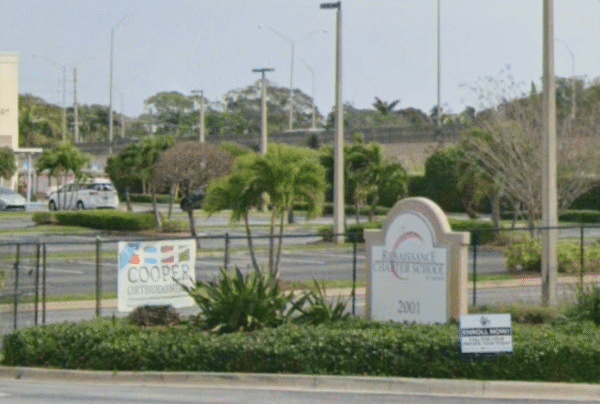
Authorities announced that a teacher at a charter school in West Palm Beach accused of inappropriately touching a student was arrested on Monday.
Robert Rivernider was charged with lewd and lascivious behavior on a minor between 12 and 16 years old and with battery, authorities said.
The Palm Beach Sheriff’s Office said deputies arrived at Renaissance Charter School at Summit on Monday after receiving reports of an incident involving a student and a teacher.
An arrest report says the student told deputies that the incident happened on Saturday on the school’s field during a party.
The student said she was sitting on a bench near the school’s entrance when Rivernider sat next to her, told her to scoot over, and then squeezed her butt.
The report states that before the alleged Saturday incident, the student said Rivernider made inappropriate comments, including that he wished there weren’t that many people around so that the two could do inappropriate things together.
The student also told two friends about what had happened, according to the report. During an interview, Rivernider denied inappropriately touching the student or making those comments, but the report says he acknowledged being closer to the student than other students and admitted to having physical contact, including hugging.
After the arrest, Rivernider was taken into custody.
A statement from the school’s principal saying Rivernider was fired. The principal said the school was advised of the teacher’s arrest, contacted the Palm Beach County Sheriff’s Office, and took appropriate actions. The statement added that Rivernider is no longer employed at the school and will not return to campus.
The factual information above was sourced from nbcmiami.com as of May 26, 2026.
The attorney commentary below is not specifically about the case reported above. Attorney commentary provided is information about these types of cases in the justice system.

We sat down with experienced Florida sexual abuse attorney Michael Haggard to explain the legal options available to victims and families after allegations of sexual misconduct by a teacher, including what steps to take early, how criminal and civil pathways may differ, and what factors in the case can shape timing, potential claims, and the next best move for protecting the victim.
Darla Medina (Editor): When a student or family believes a teacher sexually abused a child, what legal steps can they take right away in Florida?
Michael Haggard (Sexual Abuse Lawyer): The first step is to preserve evidence and report the allegations through appropriate channels, including law enforcement and the school district. Families should also consider talking with a qualified attorney quickly, because there are strict timelines for filing claims and because evidence can surface at different stages of a case.
Medina: What options might victims have beyond a criminal case?
Haggard: Victims may have civil options as well. Depending on the facts, that can include claims against the individual, and in some situations against organizations connected to the school or supervision. Many cases focus on failures in policies, training, reporting, or oversight, and those theories can affect who is sued and what damages may be available.
Medina: How does the process work when abuse is reported years after it happened?
Haggard: Florida law recognizes that delays can occur, especially with child victims. Legal timelines can be affected by factors like the victim’s age and when the abuse was discovered, so it’s important to review the specifics with counsel rather than assume a case is automatically too late.
Medina: What should families watch for as the case moves forward—especially if there’s a school statement or staffing changes?
Haggard: A firing or removal from campus can help show the seriousness of the allegations, but it doesn’t control whether a legal claim can proceed. Families should keep copies of key communications, requests, reports, and any documentation they receive, because it can matter for both credibility and legal strategy.
Medina: What about protecting the victim’s safety and privacy during legal proceedings?
Haggard: Privacy protections can be requested, and courts may limit who sees certain materials. It’s also important to coordinate with professionals providing care, so the victim’s well-being stays central while legal steps are taken.
Medina: If a victim or guardian wants to consult an attorney, what should they bring to the first meeting?
Haggard: Anything relevant: dates, names, where the incidents occurred, what was said, and any reports already filed. If there are messages, school documents, or witness information, families should gather those too. The goal is to create a clear timeline so the legal team can evaluate options efficiently.
If you or your family is dealing with allegations or harm caused by a teacher, you don’t have to figure out what to do next alone. Contact us today to schedule a free consultation, so an experienced attorney can review the facts, explain the available legal options, and help you take the right steps to protect the victim and pursue accountability.

 info@legalherald.com