
Legal Analysis By Attorneys
Breaking Legal News
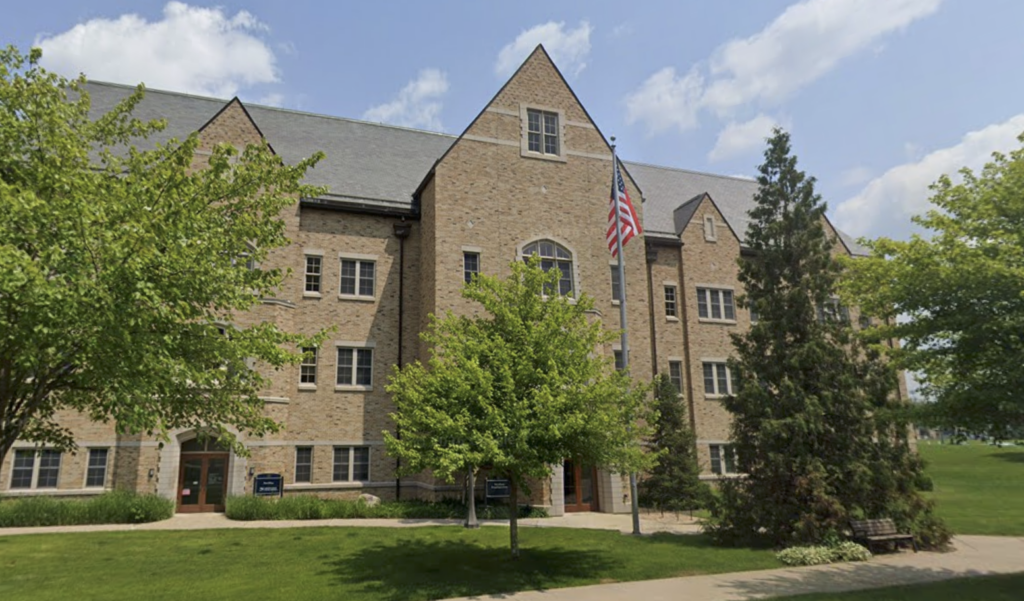
The University of Notre Dame has placed a female rector of one of its women's residence halls on administrative leave following a series of anonymous allegations of sexual abuse published on social media — allegations the university says it is taking seriously and actively investigating.
The University of Notre Dame Rector Accused of Sexual Abuse at a Women's Residence Hall in Indiana has not been publicly identified as no criminal charges have been filed. In keeping with professional journalistic standards, the rector's name is not being disclosed at this time given the anonymous and uncorroborated nature of the allegations. The university confirmed the rector was placed on leave on June 29, 2026, and is described by a university source as having been fully cooperative with the investigation.
The allegations emerged in a series of posts published in June 2026 on an Instagram account called shareyourstory.notredame — described as an account dedicated to sharing stories of sexual assault, abuse, and stalking at the university, run by survivors and not affiliated with Notre Dame. A June 17 post identified as "Submission #24" alleged the rector plied the complainant with alcohol before sexually assaulting her after the alleged victim consulted the rector while in emotional distress. A second post published the same day, "Submission #25," alleged separate inappropriate conduct by the same rector. Since those initial posts, several additional anonymous complaints referencing the same individual have appeared on the account.
The university's student health and wellness office and Office of Institutional Equity contacted the account administrator after the posts were reported, seeking additional information and providing resources for sexual assault survivors.
In a statement, Notre Dame said it takes allegations of sexual misconduct seriously — particularly when persons in positions of authority are involved — and encouraged anyone with information to report it through its official online reporting system at speakup.nd.edu. "Without reporting, our ability to investigate allegations is severely limited and we strongly encourage anyone with information to please reach out," the university said.
The case comes months after Notre Dame released an independent report in May 2026 revealing that two Holy Cross priests who oversaw residence halls at the university sexually abused several students during the 1980s and 1990s. The report found the university's execution in addressing clergy abuse had been inconsistent. Notre Dame said it has since implemented new oversight policies and strengthened education and reporting protocols around abuse.
The factual information above was sourced from ncronline.org as of July 17, 2026. The attorney commentary below is not specifically about the case reported above. Attorney commentary provided is information about these types of cases in the justice system.

When a person in a position of authority at a university is accused of sexual abuse, survivors may have significant civil legal options beyond any institutional investigation. Legal Herald editor Paul Amess spoke with Indiana sexual abuse attorney Jeff Gibson about the civil legal avenues that may be available to survivors of sexual misconduct at college and university settings.
Paul Amess: Jeff, when someone in a position of residential authority at a university is accused of sexually abusing a student, what civil legal options may be available to survivors?
Jeff Gibson: Cases involving alleged sexual abuse by someone in a position of authority over students at a university raise serious civil liability questions. Survivors may have civil claims not only against the individual accused but also against the university itself. Universities have a legal obligation under Title IX and general civil law to protect students from sexual misconduct, particularly when the alleged perpetrator holds a role of direct authority over the students they serve. How the institution responds to reports and allegations — and whether it took adequate preventative measures — is central to any civil legal evaluation.
Paul Amess: In cases where a university has a prior history of documented failures to address sexual abuse by people in positions of authority, how does that affect potential civil claims?
Jeff Gibson: A documented history of institutional failures is highly relevant in civil litigation. When a university has been put on notice — whether through prior incidents, reports, or independent investigations — that abuse by those in positions of authority is a known risk, and it fails to implement adequate reforms, that pattern can significantly strengthen civil claims. It speaks directly to whether the institution took its legal obligations seriously.
Paul Amess: What would you say to a student or survivor at a university in Indiana who has experienced alleged sexual misconduct by someone in a position of residential or institutional authority?
Jeff Gibson: Please speak with an experienced attorney as soon as possible. While reporting through a university's internal channels is important, a civil attorney can help survivors understand legal rights that exist entirely outside of any institutional process. An initial consultation is completely confidential and free of charge — no survivor should have to navigate this alone.
If you or someone you love has been the victim of sexual abuse or misconduct by a person in a position of authority at a university or educational institution in Indiana, you may have the right to pursue civil action and recover financial compensation. Contact The Legal Herald today to be connected with an experienced Indiana sexual abuse attorney for a free, no-obligation consultation.

 info@legalherald.com