
Legal Analysis By Attorneys
Breaking Legal News
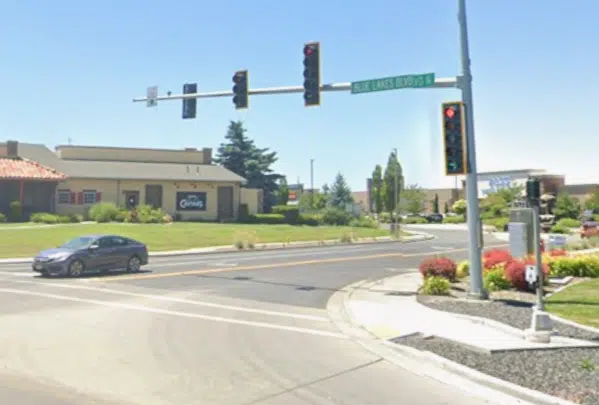
Three people were killed, and seven others were injured, on Saturday when a gunman opened fire outside an In-N-Out Burger restaurant in Twin Falls, authorities said Sunday. Idaho In-N-Out Shooting: 3 Dead, Suspected Shooter Chad Williams Dead in Alleged Suicide
The suspected shooter, identified by officials as 24-year-old Chad Williams, died from an apparent self-inflicted gunshot wound after being confronted by an armed off-duty Idaho state trooper and a private citizen, Twin Falls Police Chief Matthew Hicks said at a Sunday news conference.
Hicks said the actions of the off-duty trooper and the private citizen appear to have forced the gunman away from the scene before he could cause additional harm.
"We believe these actions drove the suspect from the scene and prevented further casualties," Hicks said.
Five of the seven injured remained hospitalized as of Sunday afternoon, with two listed in critical condition, according to Hicks. Among those killed was an employee of the restaurant, In-N-Out confirmed.
Investigators have not determined why the shooting occurred, and Hicks said the inquiry into a motive is continuing. He said Williams' family members are cooperating with police.
"Their hearts are also broken at this time," Hicks said, referring to the suspect's relatives.
The Twin Falls Police Department said investigators are confident the gunman acted alone. Officers continue to interview witnesses and are asking anyone with information about the shooting to come forward.
New details are surfacing about Williams' background. He attended the College of Southern Idaho during the 2022 and 2023 academic years but did not complete a degree, a college spokesperson confirmed.
Williams once served as a senator in the college's student government before being removed from the position in February 2023. A former fellow student government member reported that the impeachment was procedural, intended to open the seat to someone more active in the role.
The FBI said it is aware of the shooting and is providing support to local law enforcement, an agency spokesperson said. The bureau is asking anyone who captured video, audio, or photos of the incident to submit that material to investigators.
Authorities have not released additional information about the condition of those still hospitalized or provided a timeline for when a possible motive might be determined.
The factual information above was sourced from abcnews.com as of August 4, 2026.
The attorney commentary below is not specifically about the case reported above. Attorney commentary provided is information about these types of cases in the justice system.
When a shooting occurs on the property of a business, families of those hurt or killed often face a wave of questions beyond their grief, questions about accountability, compensation, and what steps to take next. To help make sense of these issues, we sat down with Michael Haggard, an Idaho attorney with extensive experience representing victims of mass shootings, to discuss the general legal avenues available to victims and families in the aftermath of violence at a commercial property.
Editor Darla Medina: When a shooting happens on the property of a business, like a restaurant, what kinds of legal questions typically come up for the people who were hurt?
Attorney Michael Haggard: The first question victims and families usually ask is whether the property owner or business had reasonable security measures in place. Courts generally look at whether an incident like this was foreseeable and whether the business took steps that a reasonable operator would take to protect people on its property.
Medina: What would make an incident like this "foreseeable" in a legal sense?
Haggard: That depends heavily on the specific location. Had there been prior violent incidents in the area? Was there adequate lighting, cameras, or staff training for emergencies? Every case is different, and it takes a careful review of the property's history and security practices to answer that question.
Medina: For someone who was injured, what are their general options at this stage?
Haggard: Broadly speaking, victims may have several potential avenues. There could be a claim against the shooter's estate, depending on the circumstances. There may also be premises liability claims against a property owner or business if inadequate security contributed to the harm. And victims should also be aware of state crime victim compensation funds, which can help with medical bills and lost wages regardless of whether a lawsuit is filed.
Medina: What about employees who are shot while working? Do they have different legal options than customers or bystanders?
Haggard: That's an important distinction. In most states, including Idaho, workers' compensation is typically the primary remedy for employees hurt or killed on the job, even in a violent incident like this. That system generally provides benefits regardless of fault, but it can also limit an employee's ability to sue their employer directly. That said, workers' compensation doesn't necessarily close every door. Families may still be able to pursue claims against third parties, such as a shooter's estate, or in some cases even the employer if there's evidence of gross negligence, depending on the state's laws. It's a nuanced area, and employees' families should talk to an attorney familiar with both workers' compensation and personal injury law to understand what applies to their specific situation.
Medina: How soon should victims start thinking about these issues?
Haggard: Sooner rather than later. Evidence like security footage, witness statements, and physical evidence at a scene can disappear or degrade quickly. Even if someone isn't ready to make decisions about legal action, talking to an attorney early on can help preserve their options down the road.
Medina: What about people who are hesitant to consider legal action while they're still processing what happened?
Haggard: That's completely understandable, and no one should feel pressured to act before they're ready. But I always tell people that protecting your options doesn't mean you have to make major decisions immediately. It just means not letting deadlines or lost evidence take choices away from you later.
Navigating the legal system after a violent event can feel overwhelming, especially while a family is still grieving or healing. Victims and their loved ones don't have to figure out their options alone. The Legal Herald can connect you with a skilled attorney for a free, no-obligation consultation to help you understand your rights and the paths available to you. Reach out today to get started.

 info@legalherald.com