
Legal Analysis By Attorneys
Breaking Legal News
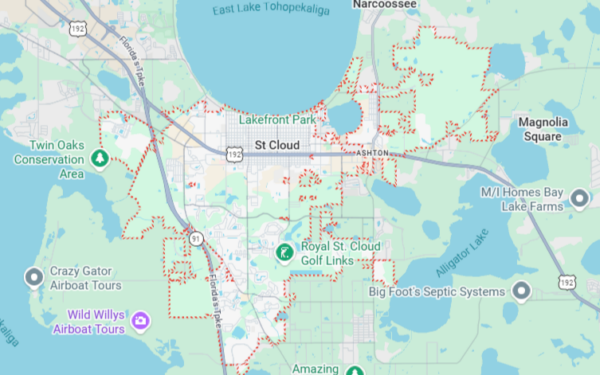
A 66-year-old man accused of sexually abusing at least two girls was fostering six children at the time of his arrest, according to neighbors, prompting fresh questions about how Florida's child welfare system monitors foster homes. Florida Foster Kids Lived With St. Cloud Man Charged With Sexually Abusing Two Girls.
Paul Renuart was arrested on seven felony counts related to child sexual abuse. He remains in jail without bond.
Reporters spoke with residents near Renuart's home in the days following his arrest.
Multiple neighbors told reporters the 66-year-old suspect had been fostering children for several years. Those neighbors also told them that six children were inside the home at the time of his arrest.
Florida Department of Children and Families was asked for records tied to Renuart's foster care licensing history. Those requests include licensing renewals, home inspections, child placement reviews, and annual background screenings.
The agency's website states that prospective foster parents must pass child abuse checks and fingerprint-based criminal background screenings before receiving approval. As of Tuesday evening, DCF had not responded to a request for comment or for the records.
Justin Grosz, founder and partner of the law firm Justice for Kids, said cases like this one often trace back to gaps in the system meant to protect children in foster care.
"I'm not surprised," Grosz said. "It happens far too often here in Florida and around the country."
Grosz said he has represented clients in cases where DCF did not follow its own policies.
"There are background checks that are not done," he said.
He said allegations of abuse inside foster homes are rarely isolated incidents.
"Usually these cases of abuse don't occur without a failure somewhere along the way," Grosz said.
Grosz also pointed to high turnover and unfilled positions within child welfare agencies as factors that can weaken statewide oversight.
"High turnover rate. They are not filling some positions," he said. "There's probably empty positions in a lot of these spaces in child care that need to be filled."
The whereabouts and status of the six children who were reportedly living in Renuart's home have not been publicly disclosed. News 6 continues to seek comment and documentation from DCF as the case moves forward.
The factual information above was sourced from clickorlando.com as of July 8, 2026.
The attorney commentary below is not specifically about the case reported above. Attorney commentary provided is information about these types of cases in the justice system.
When a foster parent faces criminal charges involving child sexual abuse, the fallout often extends well beyond a single courtroom. Families are left wondering who else might bear responsibility, what records exist, and whether the system meant to protect children failed somewhere along the way. To better understand the legal landscape in these situations, we sat down with Michael Haggard, a Florida attorney with years of experience representing survivors of abuse, to talk through the options available to families and children caught up in these cases.
Editor Darla Medina: When a foster parent is arrested on charges like these, what legal options do families or the children themselves typically have?
Attorney Michael Haggard: The first thing to understand is that there are usually multiple potential avenues of liability. You're not just looking at the individual accused — you're looking at the agency that placed the child, the state agency responsible for licensing and oversight, and sometimes even private contractors involved in supervision.
Medina: Can you break that down a bit more? Who can actually be held accountable in these situations?
Haggard: Sure. In Florida, foster care is often administered through a mix of state oversight and private, contracted case management organizations. If those entities failed to properly screen, supervise, or respond to warning signs, they can potentially be held civilly liable. That's separate from any criminal case against the individual.
Medina: So a criminal case and a civil case can move forward at the same time?
Haggard: Absolutely. The criminal case is about punishment — whether the state can prove guilt beyond a reasonable doubt. A civil case is a completely different track. It's about accountability and compensation for the harm done, and the standard of proof is lower. Families don't have to wait for a criminal conviction to explore civil action.
Medina: What kind of evidence tends to matter most in these civil cases?
Haggard: Documentation is everything. Licensing records, inspection reports, prior complaints, background screening files, and case worker notes. If red flags were missed or ignored, that history becomes central to establishing negligence.
Medina: For families who suspect something happened but aren't sure what steps to take, what would you tell them?
Haggard: Talk to someone who handles these cases regularly, and do it sooner rather than later. Records can be lost, memories fade, and there are time limits on when claims can be filed. An attorney can help request the right records and figure out whether there's a pattern of oversight failures that goes beyond one bad actor.
If you or someone you love has been affected by abuse in a foster care setting, you don't have to figure out the next step alone. The Legal Herald can connect you with an experienced attorney for a free, no-obligation consultation to talk through what happened and what options may be available. Reach out today — the conversation is confidential, the consultation is free, and taking that first step could make all the difference.

 info@legalherald.com