
Legal Analysis By Attorneys
Breaking Legal News
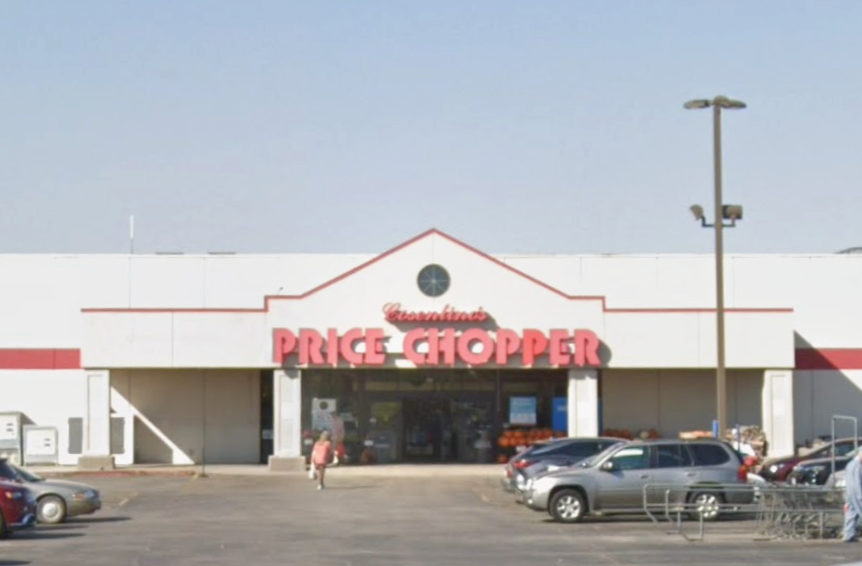
Suspect Allen Prince, 27, faces first-degree murder charges after opening fire at a Price Chopper in Pleasant Hill. Two armed bystanders intervened, stopping what police say could have been a far deadlier attack.
What began as an ordinary Memorial Day afternoon in Pleasant Hill, Missouri, turned to tragedy when a gunman opened fire in the parking lot of the Price Chopper grocery store at approximately 4:30 p.m. Monday. The attack killed one woman and left a teenage store employee fighting for his life.
At a news conference Tuesday morning, Pleasant Hill Police Chief Tommy Wright identified the suspect as 27-year-old Allen Prince, who has been charged with one count of first-degree murder, three counts of armed criminal action, and two counts of first-degree assault. Prince remains hospitalized in an intensive care unit after reportedly turning his own gun on himself following a confrontation with armed bystanders.
The victim was identified as a 45-year-old resident of nearby Strasburg. Police Chief Wright asked those following the story to remember her not as a statistic, but as a full human being.
A 16-year-old Price Chopper employee was also seriously wounded in the attack. According to his family, he was shot twice while performing the routine task of retrieving shopping carts from the parking lot. He is currently receiving medical care, and a GoFundMe campaign has been established to help cover his expenses.
Chief Wright said that while the motive behind the shooting remains unknown, he firmly believes a greater tragedy was averted by the actions of two armed civilians in the parking lot. The pair reportedly confronted Prince directly, at which point he turned his weapon on himself.
"This is a good town, it's a safe town because we have people who are brave and courageous that are willing to get in front of danger and protect innocent lives. Man, I'm thankful for that," stated Chief Tommy Wright.
The factual information above was sourced from kmbc.com as of May 28, 2026.
The attorney commentary below is not specifically about the case reported above. Attorney commentary provided is information about these types of cases in the justice system.

When a gun is fired in a public place, the chaos that follows tends to narrow everyone's focus to the immediate — the injuries, the investigation, the criminal charges. What gets lost in those early days, and sometimes permanently, is the understanding that victims and their families have powerful legal rights that exist entirely apart from whatever happens in a courtroom. Michael Haggard, a Missouri-based attorney, sat down with our team to walk through what survivors and grieving families can actually do, what businesses may owe them under the law, and why the decisions made in the first days after a shooting can shape everything that follows.
Editor Darla Medina: When a shooting happens in a public place like a grocery store parking lot, most people's first instinct is to focus on the criminal case. But what legal options exist outside of that?
Attorney Michael Haggard: The criminal process is the state's case — not the victim's. Families and survivors have entirely separate civil legal remedies. A personal injury or wrongful death lawsuit allows them to pursue compensation for medical bills, lost income, funeral expenses, and the profound emotional suffering that comes with these tragedies. Those are two completely different tracks, and one does not have to wait for the other to move forward.
Medina: Can a business like a grocery store bear any legal responsibility for a shooting that happens on its property?
Haggard: Absolutely, and this is where many people are surprised. Under Missouri premises liability law, property owners and businesses have a duty to maintain a reasonably safe environment for customers and employees. If there was a foreseeable risk — prior incidents in that area, inadequate lighting, poor security measures — and the business failed to act on it, they may share civil liability. An attorney will examine surveillance records, incident reports, and security protocols to determine whether that standard of care was met.
Medina: What about workers — employees who are hurt on the job during a violent incident? Does that change things legally?
Haggard: Yes, it adds a layer. An employee injured while performing their job duties may have a workers' compensation claim in addition to any civil action. Workers' comp can cover medical treatment and a portion of lost wages relatively quickly. But it does not cover pain and suffering the way a civil lawsuit can. Depending on the circumstances, both avenues may be open simultaneously, and it's worth having an attorney assess which path — or combination of paths — makes the most sense.
Medina: What is the single most important thing a victim or family member should do right now, in the immediate aftermath?
Haggard: Document everything and talk to an attorney before you talk to any insurance company. Insurers move fast, and they are not on the victim's side. Preserve any photos, witness contact information, and medical records from day one. Missouri's statute of limitations for personal injury is generally five years, and for wrongful death it is three years — but the earlier a lawyer gets involved, the better the chance of preserving evidence that can make or break a case. Most crime victim attorneys work on contingency, meaning there is no upfront cost to the family.
No family should have to navigate the legal system alone while also carrying the weight of grief, medical bills, and unanswered questions. If you or someone you love was injured — or if you lost a family member — in a shooting at a grocery store or any other public place in Missouri, you may have legal options that could make a real difference in your recovery and your future. Call us today for a free, no-obligation consultation. There is no cost to speak with us, and no fee unless we win your case. You focus on healing. We'll handle the rest.

 info@legalherald.com