
Legal Analysis By Attorneys
Breaking Legal News
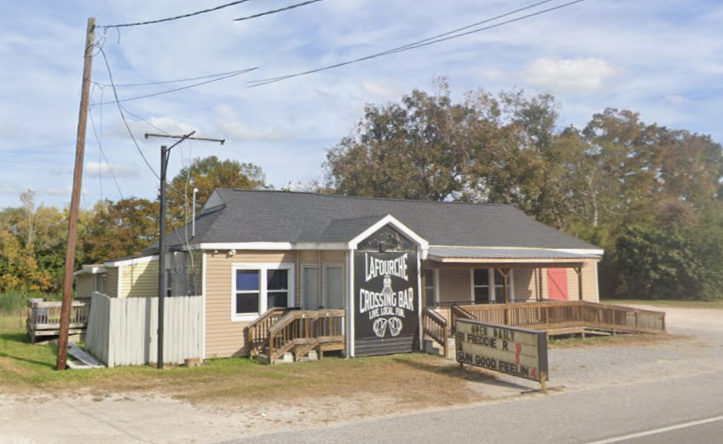
Thibodaux police are investigating after seven people were injured in a shooting outside a Louisiana nightclub, authorities said.
According to police, the shooting happened shortly after 10 p.m., outside a nightclub near the intersection of East 10th Street and Narrow Street.
Police say they have confirmed seven people sustained gunshot-related injuries during the incident. They are all believed to be non-life-threatening.
Several additional injuries were also reported as patrons attempted to flee the area following the shooting.
Detectives continue to process evidence, interview witnesses, and follow up on investigative leads related to the incident.
This is an ongoing investigation. No motive or suspect information has been released yet.
The factual information above was sourced from wafb.com as of May 27, 2026.
The attorney commentary below is not specifically about the case reported above. Attorney commentary provided is information about these types of cases in the justice system.
In a conversation with experienced Louisiana crime victim lawyer Michael Haggard, he breaks down what legal options may be available to victims injured after a shooting outside a nightclub, including how victims and families can approach investigations, document injuries, and evaluate potential pathways for compensation.
Darla Medina (Editor): For victims injured in a nightclub shooting, what legal options may they have?
Michael Haggard (Louisiana Crime Victim Lawyer): Injured victims can often explore multiple paths. A common starting point is whether the facts support a civil claim for damages, such as negligence or other theories involving parties responsible for safety and security. In some cases, victims may also seek compensation through other legal mechanisms depending on the circumstances.
Medina: What kinds of evidence matter most when someone is considering legal action after a shooting?
Haggard: Medical records are essential, along with documentation of the injuries and treatment, photos if available, and any police reports. Witness statements, surveillance video from the area, and records showing where the victim was at the time of the incident can also be important. The sooner the details are gathered, the better.
Medina: The police say the injuries are not believed to be life-threatening. Does that affect what a victim should do next?
Haggard: It doesn’t remove the need to act. Non-life-threatening injuries can still have long-term effects, including pain, mobility issues, scarring, missed work, and follow-up care. Victims should document everything and get legal advice so they understand how future impacts may figure into a claim.
Medina: Can victims recover damages beyond medical bills, like lost income?
Haggard: Yes, in many situations. Claims can include medical expenses, rehabilitation costs, lost wages, and non-economic damages such as pain and suffering, depending on the facts and the legal theory.
Medina: What about time limits—should victims wait to see how the investigation develops?
Haggard: They shouldn’t delay in seeking guidance. Even while criminal investigations are ongoing, civil timelines and requirements can move quickly. A lawyer can help preserve evidence, coordinate with medical treatment, and make sure deadlines aren’t missed.
Medina: What would you tell someone right after they’re injured in an incident like this?
Haggard: Focus on getting medical care first. Then document symptoms, treatment, and any expenses. Save copies of any reports or messages, note names of witnesses, and contact counsel early so the next steps are handled correctly.
If you or a loved one was shot outside a nightclub in Louisiana, don’t wait to understand your options. Our team is ready to review what happened, explain the next steps, and help you pursue the compensation and support you may deserve—contact us today for a free consultation.

 info@legalherald.com