
Legal Analysis By Attorneys
Breaking Legal News
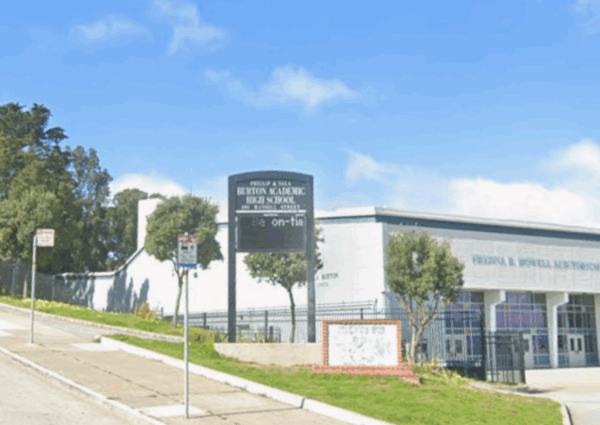
A student was shot in the leg at San Francisco's Burton High School, located at 400 Mansell St, Suite 106, San Francisco, CA 94134, on Tuesday, raising serious concerns within the community. The injured student was quickly transported to a hospital, where he is reported to be in stable condition, according to NBC Bay Area.
Following the shooting, the school was placed on lockdown as police responded to the incident. Reports indicated that the suspect fled the campus, creating a tense environment for students and staff. The lockdown lasted about an hour until the situation was deemed secure.
Authorities located the minor suspect in the 1400 block of Shafter Avenue and took him into custody without any issues. A firearm was recovered, although police have not confirmed whether the suspect is associated with Burton High or has any connection to the victim.
District officials proactively communicated with parents, sending out a text message to advise them on how to pick up their children early if they had concerns about the situation.
This incident is part of an open and active investigation. Police are encouraging anyone with information to contact the San Francisco Police Department at 415-575-4444 or send a tip via text to TIP411, beginning the message with SFPD. The safety of students remains a priority as authorities continue their inquiries.

In this interview, we discuss the legal avenues available to victims injured or killed in school shootings with experienced attorney Jason Amala. As communities grapple with the aftermath of these tragic events, understanding one’s rights and the potential for legal remedies is vital. This conversation sheds light on the steps victims and their families can take to seek accountability and support in difficult times.
Editor Darla Medina: With the recent shooting incidents, many families may be uncertain about their legal options. What avenues are available for victims injured in school shootings?
Attorney Jason Amala: Victims of school shootings can explore various legal options, including civil lawsuits against the school district for negligence. These claims can cover medical expenses, emotional distress, and loss of educational opportunities.
Medina: What steps should families take if they are considering legal action?
Amala: Families should document everything—medical records, eyewitness accounts, and any correspondence with the school. Reporting the incident to law enforcement is also important, as it establishes an official record of the event.
Medina: How does the legal process work in these cases?
Amala: The legal process typically begins with filing a claim against the responsible parties. This may involve investigating the school’s safety measures and any potential lapses. The timeline can vary, and having an attorney can help navigate this complex landscape.
Medina: What resources are available for victims and their families during this difficult time?
Amala: There are numerous resources, including counseling services and victim support organizations. These can provide emotional support and practical assistance as families deal with the aftermath of such traumatic events.
If you or a loved one has been affected by a school shooting, know that you don’t have to face this alone. There are legal options available to you, and our dedicated team is here to help. Contact us for a free consultation to explore how we can support you in your journey toward healing and accountability. Your path to justice begins with a conversation.

 info@legalherald.com