
Legal Analysis By Attorneys
Breaking Legal News
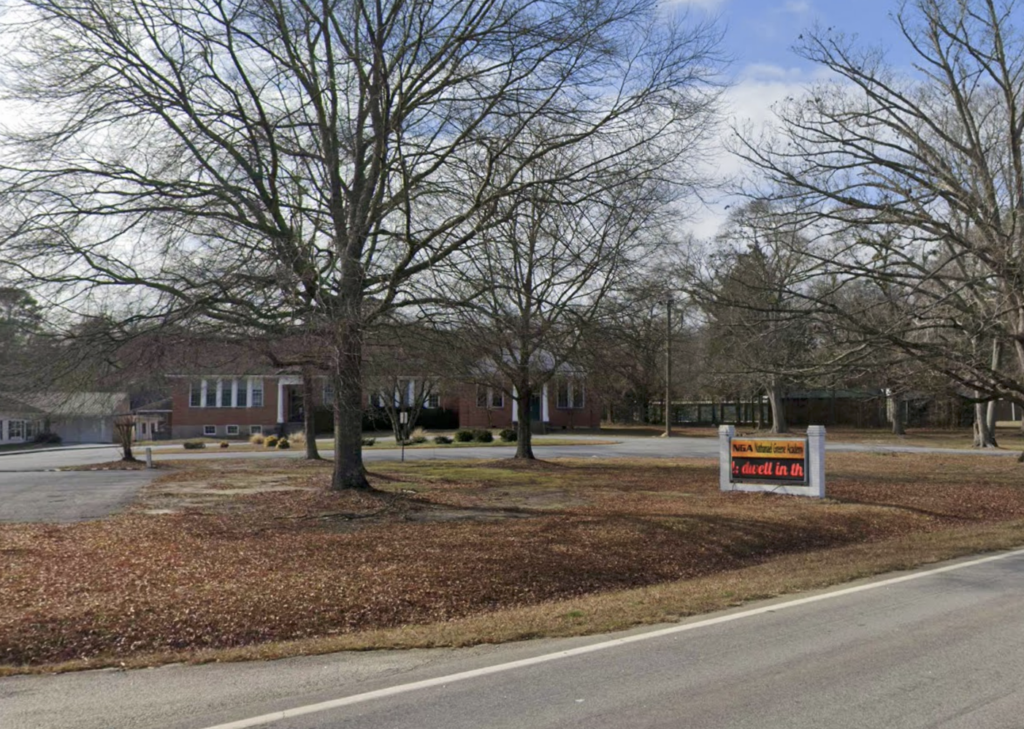
A second former teacher at a now-closed private Georgia school has been convicted and sentenced to prison for sexually abusing the same student as a fellow teacher who was sentenced just weeks earlier — with the alleged victim delivering emotional testimony before the court that moved those present to tears.
Bonnie Brown, 27, of White Plains, is the Nathanael Greene Academy Teacher Accused of Sexual Contact with a Student in Georgia who was found guilty on June 11, 2026, by a Greene County jury on five counts of improper sexual contact by an educator in the first degree following approximately three hours of deliberation. Judge Stephen A. Bradley sentenced Brown to 40 years, with the first 15 years to be served in prison. She must register as a sex offender upon her release. Brown was teaching in Wilkes County at the time of her March 2025 arrest by the Georgia Bureau of Investigation.
Before Judge Bradley announced the sentence, the alleged victim — now 19 years old — addressed the court directly. Witnesses described the statement as deeply emotional, with the alleged victim's voice shaking and becoming visibly overwhelmed as he spoke. He described the lasting psychological trauma caused by the abuse, including being bullied after the accusations became public, and expressed frustration that Brown had maintained her innocence throughout the proceedings and attempted to portray him as untruthful.
"All you had to do was admit it," the alleged victim told the court.
Following the sentencing, Assistant District Attorney Blayne May praised the alleged victim's courage in testifying. "I'm very grateful to the victim for his courage for standing up, admitting, and saying what happened to him, telling the jury, and I'm grateful they believed him, and they let him have a voice," May said.
Brown's conviction follows the May 2026 sentencing of Sherri Mauldin, 66, a fellow former Nathanael Greene Academy teacher who pleaded guilty to sexually abusing the same alleged victim and was sentenced to 12 years in prison followed by 25 years of probation. Brown's defense highlighted the sentencing disparity during proceedings, urging the court toward leniency. Brown's father spoke on her behalf, describing her as a straight-A student, valedictorian, and homecoming queen with no prior criminal record. Judge Bradley acknowledged the comparison to the Mauldin case before ultimately imposing the 40-year sentence.
Nathanael Greene Academy, which had operated since 1969, permanently closed following the scandal involving both teachers.
The factual information above was sourced from nypost.com as of July 7, 2026. The attorney commentary below is not specifically about the case reported above. Attorney commentary provided is information about these types of cases in the justice system.

When a teacher at a private school is convicted of sexually abusing a student, survivors and their families may have significant civil legal options beyond the criminal sentence. Legal Herald editor Paul Amess spoke with Georgia sexual abuse attorney John Bey, Esq., about the civil legal avenues that may be available in cases involving the sexual abuse of a student by a school employee at a private institution.
Paul Amess: John, when a teacher at a private school is convicted of sexually abusing a student, what civil legal options may be available to the survivor and their family?
John Bey, Esq.: Cases involving the conviction of a teacher for sexual abuse of a student can give rise to significant civil claims that go well beyond the criminal sentence. Families may have grounds to pursue civil action not only against the individual convicted but also against the school or institution. Private schools owe students the same fundamental duty of care as public institutions — when a teacher exploits a position of authority over a student, the institution's oversight and supervision practices become directly relevant to any civil legal evaluation.
Paul Amess: In cases where a school permanently closes following a scandal involving multiple teachers accused of abusing the same student, what does that mean for potential civil claims against the institution?
John Bey, Esq.: The closure of a school does not necessarily extinguish civil claims against it or the responsible parties who operated it. Civil claims can still be pursued against the individuals and entities responsible for operating the institution, and families should speak with an experienced attorney to understand what options may remain available to them regardless of the school's current status.
Paul Amess: What would you say to a survivor in Georgia who experienced sexual abuse at the hands of a teacher and is considering their civil legal options?
John Bey, Esq.: Please speak with an experienced attorney as soon as possible. Time limits apply to civil claims in Georgia, and early legal guidance gives survivors the clearest picture of their rights and options. An initial consultation is completely confidential and free of charge — no survivor should have to face this process alone.
If you or someone you love has been the victim of sexual abuse or misconduct by a teacher, school employee, or any person in a position of authority in Georgia, you may have the right to pursue civil action and recover financial compensation. Contact The Legal Herald today to be connected with an experienced Georgia sexual abuse attorney for a free, no-obligation consultation.

 info@legalherald.com