
Legal Analysis By Attorneys
Breaking Legal News
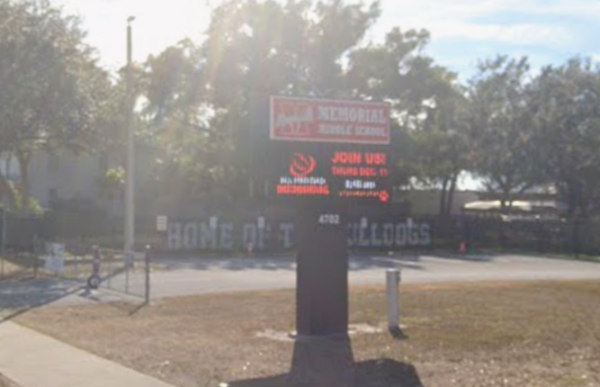
A Hillsborough County middle school teacher was arrested Friday after investigators accused him of child sex crimes. Christian Schneider is the FL Middle School Teacher Accused of Sending Inappropriate Messages to Former Student.
Christian Schneider, 31, a teacher at Memorial Middle School, faces two counts of solicitation or possession of child sexual abuse material and one count of unlawful use of a two-way communication device, the Hillsborough County Sheriff's Office said in a statement.
Authorities began investigating Schneider last month and learned he had been sending inappropriate messages to a former student from Franklin Middle School, according to the sheriff's office.
Schneider told deputies the inappropriate communication with the student had been occurring since 2023, authorities said. The sheriff's office did not release additional information about the student or the nature of the alleged communications.
Sheriff Chad Chronister addressed the arrest directly, pointing to the responsibility placed on educators.
"Teachers hold a position of trust that comes with enormous responsibility," Chronister said. "When that trust is exploited, it's not just a crime, it's a violation of everything our schools are supposed to stand for."
Authorities said the investigation is ongoing. No further details have been released about additional charges or whether other students may have been contacted.
The factual information above was sourced from patch.com as of August 17, 2026.
The attorney commentary below is not specifically about the case reported above. Attorney commentary provided is information about these types of cases in the justice system.
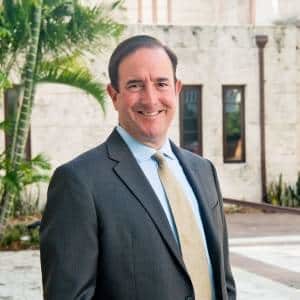
When a teacher is accused of inappropriate contact with a student, families are often left wondering what comes next and what options are available to hold someone accountable. We sat down with Michael Haggard, a Florida attorney who has spent years representing survivors of abuse by teachers, coaches, and other adults in positions of trust, to walk through what parents and students should know.
Editor Darla Medina: When a family learns a teacher has been sending inappropriate messages to a student, what should their first step be?
Attorney Michael Haggard: The first step is always safety and documentation. Contact law enforcement so the matter is formally reported, and preserve any messages, screenshots, or devices involved rather than deleting them. Families should also notify the school district in writing, because that notice can matter later if the district's response, or lack of one, becomes part of a civil case.
Medina: Beyond criminal charges against the teacher, what other legal options do families have?
Haggard: A criminal case is handled by the state and focuses on punishment, but it doesn't compensate the family or the child. A separate civil case can be filed against the teacher individually, and often against the school district or employer, if there's evidence the district knew about warning signs and failed to act. That can include claims for negligent supervision, negligent hiring, or negligent retention.
Medina: How does Florida law handle the time limits for filing these kinds of claims?
Haggard: Florida has broadened the window survivors have to bring civil claims for childhood sexual abuse, and the specific timeline can depend on the child's age, when the abuse occurred, and when it was discovered. Because those rules can be detailed and fact-specific, this is one area where families really do need an attorney to review their situation directly rather than relying on general information.
Medina: Can a school district be held responsible even if administrators say they didn't know what was happening?
Haggard: Yes, and that's a question we look at closely in every case. Districts have a duty to properly screen, train, and supervise staff, and to act on complaints or red flags when they're raised. If there's evidence a school ignored warning signs, dismissed a complaint, or failed to follow its own reporting policies, that can support a claim against the district itself, not just the individual.
Medina: What would you tell a family who suspects something like this may be happening right now?
Haggard: Trust your instincts, keep records of anything you find, and don't confront the teacher directly before reporting to authorities, since that can complicate an investigation. Then talk to an attorney early. A consultation costs families nothing, and it gives them a clear picture of their options before they have to make any decisions.
If you or someone you love has experienced inappropriate behavior from a teacher or another trusted adult, you don't have to sort through what comes next on your own. Contact The Legal Herald today to be connected with an experienced attorney for a free, no-obligation consultation. Our team can help you understand your rights, walk through your options, and decide what steps make sense for your family.

 info@legalherald.com