
Legal Analysis By Attorneys
Breaking Legal News
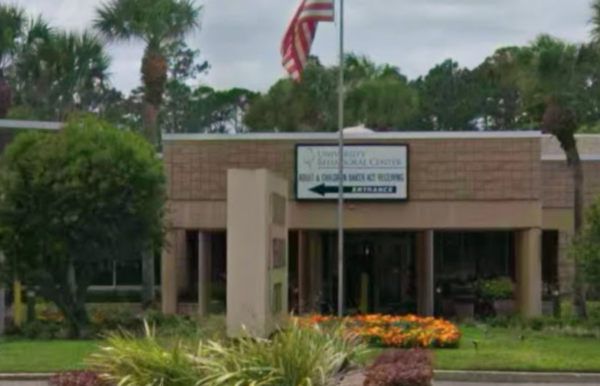
A former nurse at University Behavioral Health Center in Orlando has been sentenced after being found guilty of sexually assaulting a 16-year-old patient who had been admitted to the facility under a Baker Act hold. Former Orlando Nurse Fernando Ortiz-Marrero Gets 10 Years for Allegedly Sexually Assaulting Teen Psychiatric Patient.
Fernando Ortiz-Marrero was adjudicated guilty on two charges: lewd and lascivious touching of a minor and sexual assault on a client. He will serve two consecutive five-year sentences. Ortiz-Marrero worked as a nurse at the Orlando psychiatric facility, a position that granted him direct access to vulnerable patients in mental health crisis.
According to his arrest report, Ortiz-Marrero began flirting with the teenage girl shortly after she was admitted to the facility on a Baker Act — Florida's mental health law that allows individuals to be involuntarily held for psychiatric evaluation. The victim later recounted multiple occasions on which Ortiz-Marrero allegedly led her into a bathroom, instructed her to undress, and then groped and kissed her. In her account documented in the affidavit, she described feeling "frozen" during these encounters.
On June 28, investigators say Ortiz-Marrero approached the girl while she was alone and directed her into a bathroom once more, where he is accused of forcing her to perform a sex act. The details are documented in the original affidavit filed by investigators.
The case broke open not through institutional oversight, but because another staff member at the facility reported Ortiz-Marrero's conduct to investigators. That report triggered the arrest and subsequent prosecution that ultimately resulted in his conviction and sentencing.
The case has drawn attention to the vulnerability of minors placed in psychiatric care facilities, where patients are often in acute mental health crisis and entirely dependent on medical staff for their safety and well-being. Ortiz-Marrero exploited that dependency at every level, using his position of authority to repeatedly victimize a teenager who had nowhere to turn.
The factual information above was sourced from clickorlando.com as of June 29, 2026.
The attorney commentary below is not specifically about the case reported above. Attorney commentary provided is information about these types of cases in the justice system.
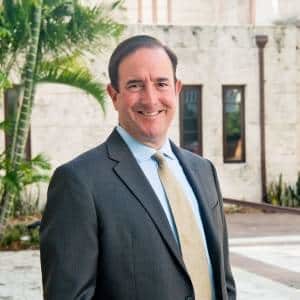
Sexual abuse inside a mental health facility represents one of the most profound violations of trust imaginable — patients arrive at these centers at their most vulnerable, placing their safety entirely in the hands of medical staff. When that trust is shattered by the very people hired to protect them, survivors and their families are often left not only traumatized but also uncertain about where to turn. Miami-based sexual abuse attorney Michael Haggard breaks down what victims and their families need to know about their legal rights when abuse occurs behind the walls of a behavioral health center.
Editor Darla Medina: When a patient is sexually assaulted by a nurse or staff member at a behavioral health center, what are the first legal steps a family should take?
Attorney Michael Haggard: The first thing is to report it — to law enforcement and to the Florida Agency for Health Care Administration, which oversees these facilities. Preserve everything: medical records, any written communications, names of staff who were present. Time matters because evidence can disappear quickly in institutional settings. Then, connect with an attorney who handles sexual abuse cases specifically, because these cases carry nuances that a general practice lawyer may not be equipped to navigate.
Medina: Can the facility itself be held legally responsible, even if the assault was carried out by one individual employee?
Haggard: Absolutely, and in many cases the facility bears significant liability. Behavioral health centers have a legal duty to protect their patients. If they failed to properly screen, supervise, or discipline staff, or if they ignored warning signs, they can be held accountable in civil court. Florida law recognizes that institutions cannot simply point to a rogue employee and walk away clean. The question becomes: what did the facility know, and when did they know it?
Medina: Are there specific protections under Florida law for patients in psychiatric or behavioral health settings?
Haggard: Yes. Florida's Baker Act includes a Patient Bill of Rights that guarantees patients safety, dignity, and protection from abuse while under involuntary psychiatric holds. There are also provisions under Florida's Adult Protective Services Act and separate statutes protecting minors. When a facility violates those rights, survivors have grounds for civil action entirely separate from whatever criminal charges may be filed against the individual abuser.
Medina: What kind of compensation can survivors realistically pursue through a civil lawsuit?
Haggard: Civil cases can address medical costs, ongoing therapy and mental health treatment, pain and suffering, and in cases involving minors, long-term emotional damages that can follow a person for decades. In cases where a facility's conduct was particularly reckless, Florida law also allows for punitive damages — those are designed to punish the institution and discourage the same negligence from happening again.
Medina: What would you say to a survivor or family member who is hesitant to come forward?
Haggard: I would say that coming forward is not just about one case. Every report creates a record. Every lawsuit forces a facility to answer for how it operates. These institutions serve some of the most vulnerable people in our communities — children in crisis, adults in acute mental health emergencies. Accountability is what changes the conditions that allow abuse to happen in the first place. You are not alone, and there are attorneys who will fight hard for you.
If you or someone you love has been sexually abused by a nurse or staff member at a mental health facility, you do not have to face what comes next alone. The Legal Herald is here to connect survivors and their families with an experienced sexual abuse attorney who can walk you through your rights and legal options at no cost and with no obligation. Every call is confidential, and every survivor deserves to be heard. Contact our office today for your free consultation.

 info@legalherald.com