
Legal Analysis By Attorneys
Breaking Legal News
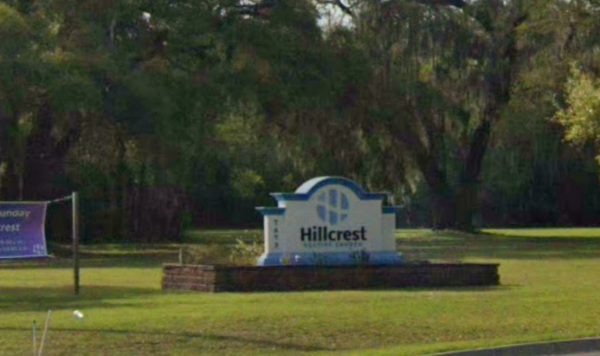
A Jacksonville youth pastor at Hillcrest Baptist Church accused of child sexual assault dating back to 2016, was arrested April 12, 2026, by the Jacksonville Sheriff's Office. Joshua Trent, 42, now faces two counts of sexual battery following an investigation detailed in a JSO arrest report obtained by First Coast News. The arrest came roughly a decade after the alleged abuse began — and nearly five years after a police visit to his workplace first put investigators on his trail.
According to the JSO arrest report, Trent and the unnamed victim first connected at Hillcrest Baptist Church, where he was employed as a youth pastor. Over time, he became a friend of the family and a father figure to the victim. Contact that began at church services gradually moved to text messaging. Investigators say Trent introduced a practice he called "attack hugs" — surprise embraces he told the victim they were permitted to give him — which police say were designed to slowly normalize physical contact in a way that appeared innocent at the time.
The victim and Trent also began appearing together regularly at his other place of employment, ChurchTrac, a church software company, where investigators say the alleged abuse occurred in his office. The victim also babysat Trent's children, and the report states he used any opportunity to get the victim alone to carry out the abuse.
When the victim resisted or said no, Trent allegedly threatened to harm himself with a handgun he carried in a backpack at all times — and made the same threat if the victim ever disclosed what was happening, according to the report. Investigators say he also had access to all of the victim's social media accounts and passwords, which he used to monitor and control who the victim communicated with and who their friends were.
In 2021, the report states, Trent called the victim — then away at college — to warn them that police had shown up at ChurchTrac. During that call, he instructed the victim to destroy a password-protected thumb drive he had given them, which reportedly contained love letters and explicit photos of himself. He also told the victim that if police ever made contact, they should deny he had ever touched them. The victim told police that at that point, they informed Trent they wanted no further contact with him.
A First Coast Crime Stoppers tip received in January 2026 allowed investigators to identify the victim. The victim cooperated with police, and through recorded text messages and a phone call in which contact with Trent was re-established, detectives were able to gather key statements supporting the charges.
Police also interviewed Thorton Tedder, the owner of ChurchTrac, who confirmed Trent's employment history and told investigators Trent was fired in 2021 — roughly two weeks after two detectives visited the company to investigate a possible explicit image of a child traced to a ChurchTrac computer's IP address. Tedder recalled seeing the victim at the office frequently and noted the time the two spent together there. While he told police he did not personally witness any physical contact, he described the relationship as "friendly" in a way he found inappropriate — noting Trent was roughly double the victim's age — but said he did not question it at the time.
Hillcrest Baptist Church issued a statement to First Coast News saying the situation is "deeply concerning" and that the church's prayers are with those affected. The church confirmed the individual has not been associated with the congregation since 2018 and stated it is fully cooperating with authorities. The statement added that the church remains committed to integrity, safety, and accountability in its ministry.
Trent was released from custody on April 22, 2026, after posting $800,000 bail. His case remains active. Anyone with information is encouraged to contact the Jacksonville Sheriff's Office or First Coast Crime Stoppers.
The factual information above was sourced from firstcoastnews.com as of May 29, 2026.
The attorney commentary below is not specifically about the case reported above. Attorney commentary provided is information about these types of cases in the justice system.
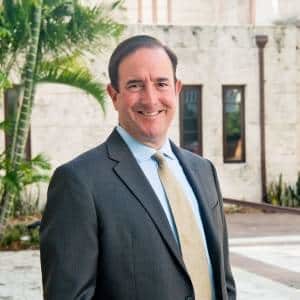
Cases of sexual abuse by a youth pastor raise important questions about what legal recourse survivors of clergy or church-based sexual abuse may have beyond the criminal courts. Our team spoke with Miami-based sexual abuse attorney Michael Haggard, who has represented survivors of institutional abuse across Florida, to understand the civil legal options available.
Editor Darla Medina: When someone has been sexually abused by a youth pastor or church employee, what civil legal options are available to them in Florida?
Attorney Michael Haggard: Survivors have the right to file a civil lawsuit independent of any criminal proceeding. That means even if a criminal case doesn't result in a conviction — or hasn't gone to trial yet — a victim can still bring a civil claim for damages against the individual who harmed them. More importantly, they may also have a claim against the institution itself, whether that's the church, a diocese, or any affiliated organization that employed or supervised the abuser.
Medina: Can a church or religious organization be held legally responsible for the actions of one of its employees?
Haggard: Absolutely. Under Florida law, institutions can be held liable if they knew or should have known that an employee posed a risk and failed to act. That's called negligent supervision or negligent retention. If a church ignored warning signs, failed to conduct background checks, or kept someone in a position of trust over children despite red flags, they can face significant civil liability. Religious affiliation does not shield an organization from accountability in civil court.
Medina: What about cases where the abuse happened years ago? Does the passage of time affect a victim's ability to file a claim?
Haggard: This is one of the most common concerns survivors have, and it's an area where Florida law has changed meaningfully in recent years. Florida extended its statute of limitations for childhood sexual abuse cases, and there have been legislative windows that allowed survivors to bring claims that would otherwise have been time-barred. I always encourage survivors to speak with an attorney as soon as possible, because the deadlines can be complex and vary depending on the circumstances. Time matters, but it doesn't always mean the door is closed.
Medina: What should a survivor do if they are considering taking legal action?
Haggard: The first step is to speak confidentially with an attorney who has specific experience handling sexual abuse cases. A survivor should never feel pressured to go public or to have everything figured out before making that call. A good attorney will walk them through their options, help them understand what evidence may be relevant, and make sure they are not making decisions based on incomplete information. Many survivors don't realize how much legal protection they actually have until they have that conversation.
If you or someone you love was sexually abused by a youth pastor, church employee, or any person in a position of religious authority, you may have legal options that you are not yet aware of. We offer free, confidential consultations to survivors and their families. There is no obligation, no pressure, and no cost to simply pick up the phone and learn where you stand. Every survivor deserves to be heard. Call us today or fill out our contact form to take the first step at your own pace, on your own terms.

 info@legalherald.com