
Legal Analysis By Attorneys
Breaking Legal News
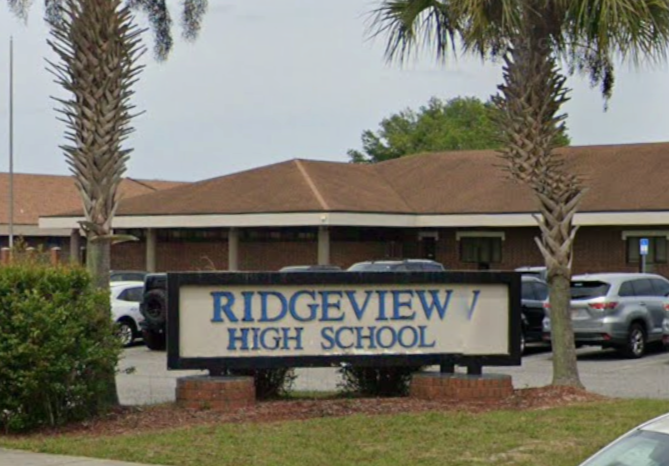
The Florida teacher allegedly sent sexually explicit messages and photos to a student through social media was taken into custody Thursday — following an investigation that began when school officials first raised the alarm earlier this spring.
Christopher Suarez, 48, was a teacher at Ridgeview High School in Orange Park, Florida, and is now a former employee of the school. Investigators say Suarez initiated contact with the student through a social media platform earlier this year, and that the nature of those communications grew increasingly inappropriate in the days leading up to the report.
The Clay County Sheriff's Office opened its investigation on May 19 after both school officials and deputies received a report that a student had been receiving inappropriate messages from a teacher at the school. As detectives examined the communications, they determined that Suarez had allegedly sent sexually explicit photos to the juvenile. School officials acted swiftly, placing Suarez on administrative leave while the criminal investigation moved forward.
Suarez was arrested on Thursday on six counts of transmission of harmful materials to a minor and one count of using a two-way communication device to commit a felony — seven felony charges in total. Court records confirm he remains held in the Clay County Jail on a bond totaling $525,021. Deputies have not yet released a mugshot.
Authorities say the investigation remains active and have not ruled out additional developments in the case. Anyone with information is asked to contact Detective Andrew Carter at 904-264-6512.
The factual information above was sourced from cbs12.com as of June 1, 2026.
The attorney commentary below is not specifically about the case reported above. Attorney commentary provided is information about these types of cases in the justice system.
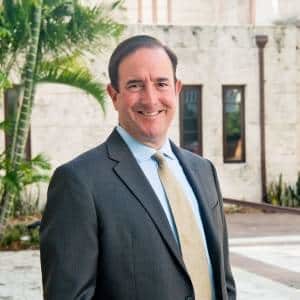
When a student is sexually abused or exploited by a teacher, the path forward can feel overwhelming for families who are already dealing with trauma, anger, and confusion. Beyond the criminal justice process, civil law offers victims a separate and powerful avenue for accountability and recovery. Our team sat down with Miami-based sexual abuse attorney Michael Haggard to discuss what families need to know about their legal rights, what school districts are responsible for, and why coming forward sooner rather than later can make all the difference.
Editor Darla Medina: When a student is sexually abused or exploited by a teacher, what are the first steps a family should take?
Attorney Michael Haggard: The first thing I tell families is to document everything and preserve any evidence — messages, screenshots, anything the child received. Then get the child into counseling with a professional who specializes in trauma. After that, speak with an attorney who handles these cases before making any statements to the school district or insurance representatives. What you say early on can affect a civil claim later.
Medina: Can the school district itself be held legally responsible, even if the abuse was carried out by one individual?
Haggard: Absolutely. In Florida, school districts can face civil liability if they knew or should have known that a teacher posed a risk and failed to act. If there were prior complaints, warning signs that were ignored, or inadequate supervision, the district may share responsibility. These institutions have a duty to protect the students in their care, and when they fall short of that duty, they can be held accountable in civil court.
Medina: What does a civil lawsuit actually accomplish for a victim beyond the criminal case?
Haggard: The criminal case is about punishment — that is handled by the state. A civil case is about the victim. It can provide financial compensation for therapy, long-term psychological care, pain and suffering, and other damages. It also forces accountability in a public forum. Many families find that the civil process gives them a voice and a sense of agency that the criminal process does not always offer.
Medina: Are there time limits that families need to be aware of when considering legal action in Florida?
Haggard: Yes, and this is something families must understand. Florida has statutes of limitations that govern how long a victim has to file a civil claim. However, for cases involving the sexual abuse of a minor, Florida law does allow additional time — in many situations, the clock does not start running until the victim turns 18. That said, I always urge families not to wait. Evidence disappears, witnesses move on, and memories fade. The sooner you consult an attorney, the stronger your case will be.
Medina: What would you say to a family that is hesitant to come forward?
Haggard: I understand the hesitation. These situations are painful, embarrassing, and deeply personal. But coming forward protects not just your child — it may protect other children. Schools and institutions change their behavior when they are held accountable. No family should have to navigate this alone, and a good attorney will walk with you through every step of the process with discretion and compassion.
If your child has been sexually abused or exploited by a teacher or any school employee, you do not have to face this alone. Our attorneys fight for victims and their families with the compassion, discretion, and determination they deserve. Time matters in these cases, and every day counts. Contact us today for a free, confidential consultation and let us help you understand your rights and your options. You took the hardest step by coming forward — now let us take it from here.

 info@legalherald.com