
Legal Analysis By Attorneys
Breaking Legal News

A Southwest Florida pastor has been taken into custody after investigators say he was found sending and receiving child pornography through online communications with strangers. Florida Pastor Robert Glossenger Arrested on Allegations of Possession and Distribution of Child Pornography in Lee County.
Pastor Robert Glossenger, a resident of Alva, was arrested and charged with three counts of possession of child pornography and three counts of transmission of child pornography following a search warrant executed at his home on Apple Blossom Drive in Lee County.
Detectives with the Lee County Sheriff's Office Internet Crimes Against Children unit received a cybertip about child pornography originating from a residence in Lee County. Through analytical research, detectives identified Glossenger as the suspect.
During the investigation, Glossenger reportedly admitted to detectives that he would receive and send child pornography while chatting with strangers online.
Lee County Sheriff Carmine Marceno did not hold back in his condemnation of the accused.
"This is a disturbing case where a pastor, a person of power and trust, was searching and exchanging child porn with others online," Sheriff Marceno said. "I am disgusted and hope anyone who may have fallen victim to this man will come forward."
This case remains active. Investigators are urging anyone with information about Glossenger, or anyone who may have been victimized, to contact the LCSO Innocent Images Unit or SWFL CrimeStoppers at 1-800-780-8477.
The factual information above was sourced from fox13news.com as of July 1, 2026.
The attorney commentary below is not specifically about the case reported above. Attorney commentary provided is information about these types of cases in the justice system.
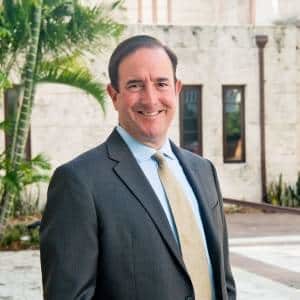
When a religious leader faces child pornography or sexual abuse charges, the fallout extends far beyond the courtroom. For victims and their families, the path forward can feel overwhelming — complicated by fear, shame, and a profound sense of betrayal by someone they trusted with their faith and their safety. To help clarify what legal options exist in these situations, we spoke Miami-based sexual abuse attorney Michael Haggard, a seasoned litigator who has represented victims of clergy and religious leader abuse across Florida. Haggard breaks down what victims need to know about their rights, the potential liability of religious institutions, and why coming forward — on your own terms — may be more protected than many survivors realize.
Editor Darla Medina: When a pastor or religious leader is arrested on child pornography charges, what should potential victims know about their legal rights?
Attorney Michael Haggard: Victims have both criminal and civil legal avenues available to them. On the civil side, victims can file a lawsuit not only against the individual but potentially against the church or religious organization as well, if it can be shown that leadership was negligent in supervising or protecting those in their care.
Medina: Why would the church itself potentially be held responsible?
Haggard: Religious institutions have a duty to protect the people they serve, especially children. If an organization failed to conduct proper background checks, ignored warning signs, or looked the other way when concerns were raised, they can be held accountable. Victims should not assume their only recourse is against the individual who harmed them.
Medina: What about victims who are afraid to come forward publicly?
Haggard: That fear is completely understandable, and it is one of the biggest barriers we see. What many victims do not realize is that Florida law provides significant protections for them throughout the legal process. An experienced attorney can walk them through those protections before they ever speak to law enforcement or file anything. Coming forward does not have to mean immediate public exposure.
Medina: Is there a window of time victims have to take legal action?
Haggard: Florida's statute of limitations for childhood sexual abuse cases has expanded significantly in recent years. In many situations, victims have until age 25 to file, and in cases involving intentional misconduct, that window can extend further. The most important thing is to speak with an attorney as soon as possible so no deadlines are missed.
Medina: What is your advice to anyone who believes they may have been victimized by someone in a position of religious authority?
Haggard: Document everything you remember, preserve any communications, and contact a qualified attorney who handles sexual abuse cases before making any public statements. You deserve to have someone in your corner who understands this area of law and will protect your rights every step of the way.
If you or someone you love has been victimized by a pastor, clergy member, or religious leader, you do not have to face this alone. The Legal Herald is here to connect you with an experienced sexual abuse attorney who will listen, protect your rights, and guide you through every step of the legal process — at no cost to you. Contact to schedule your free, no-obligation consultation and take the first step toward the justice and accountability you deserve.

 info@legalherald.com