
Legal Analysis By Attorneys
Breaking Legal News

A Sarasota doctor who was entrusted with treating patients suffering from pain and psychological trauma now faces serious criminal charges after the Police Department announced that Sarasota Dr. Stephen Feig allegedly committed sexual battery on multiple women who came to him for help.
The charges date back to 2023, and investigators say they believe additional victims have yet to come forward.
Feig, 66, serves as the medical director of the Brain Wave Center in Sarasota — the same facility where police say he first made contact with two young women who were working to overcome past sexual traumas. The Brain Wave Center was established in 2007 with a mission to help patients struggling with depression and anxiety. The center also provides therapeutic services for children diagnosed with ADHD, autism, and learning disabilities.
In December 2023, a patient alleged that Feig looked at and touched intimate parts of her body while he was supposed to be checking her blood pressure. Feig faces a battery charge in connection with that incident and is scheduled to stand trial next month.
Now, a second woman has come forward. According to investigators, in the spring of 2023, she sought help from Feig for sexual trauma, chronic pain, and suicidal thoughts. The woman told police that Feig began a course of treatments she found questionable — treatments that moved outside the clinic and at times took place in his apartment at Hillview.
The police report reveals deeply disturbing details about the nature of those encounters. The so-called treatment reportedly involved inappropriate physical contact and required the victim to repeat the phrase: "I am safe. Dr. Feig cares about me and won't hurt me."
The victim also told Sarasota police that Feig had used similar treatment methods on other women.
Jessica Hays, president and CEO of Safe Place and Rape Crisis Center (SPARCC) in Sarasota, spoke directly to the pain that cases like this cause in the community.
"It's always really heartbreaking when there's a person in a position where you're supposed to trust them, and they have power, and they violate that trust," Hays said. "Patients are vulnerable, and they should be able to trust their physicians."
Hays was direct about where responsibility lies.
"It's never the victim's fault, it's always the perpetrator's fault — and perpetrators do look for people who might already be vulnerable," she said.
Hays urged any woman who has experienced something that felt wrong to speak up without fear.
"It's important to trust your gut, and if something feels wrong, it's okay to question that. It's okay to go somewhere else, to talk to people about it," she said. "We have a hotline that is available 24 hours a day, and it's all confidential. You don't have to report anything — just ask questions and find out if what you're experiencing is possibly something inappropriate."
SPARCC's confidential hotline is available around the clock for anyone with questions or concerns.
The factual information above was sourced from fox13news.com as of May 29, 2026.
The attorney commentary below is not specifically about the case reported above. Attorney commentary provided is information about these types of cases in the justice system.
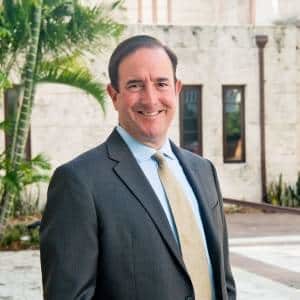
When a physician violates the trust of a patient through sexual misconduct, the path forward can feel overwhelming and uncertain. To help survivors understand their rights, we sat down with Michael Haggard, a Florida trial attorney with experience representing victims of sexual abuse, to discuss what legal options exist and why coming forward — on any timeline — can make a meaningful difference.
Editor Darla Medina: When a patient has been sexually abused by a doctor, what are their legal options?
Attorney Michael Haggard: They have both criminal and civil options, and the two can run at the same time. On the civil side, a victim can file a lawsuit against the doctor personally for battery and intentional infliction of emotional distress. But importantly, they may also have a claim against the medical practice or facility that employed him. If an employer knew — or should have known — that someone posed a risk to patients and failed to act, they can be held accountable as well.
Medina: Does a victim need to wait for a criminal conviction before taking civil action?
Haggard: Absolutely not, and this is something many survivors don't realize. The civil justice system operates independently from the criminal process. The burden of proof in a civil case is lower than in a criminal one, so a victim does not need a conviction to move forward. Waiting can actually work against you because Florida has statutes of limitations that govern how long you have to file.
Medina: What about victims who are hesitant to come forward because they feel embarrassed or fear they won't be believed?
Haggard: That hesitation is completely understandable, and it's one of the most common things we hear. But I want people to know that doctors who do this are rarely first-time offenders. There are almost always other victims. When one person comes forward, it often gives others the strength to do the same — and multiple cases can significantly strengthen the legal picture for everyone involved. No one should suffer in silence out of shame for something that was never their fault.
Medina: What is the first step a victim should take if they believe a doctor has acted inappropriately toward them?
Haggard: Document everything as soon as possible — dates, locations, what was said, what happened. Then contact an attorney who handles sexual abuse cases before speaking to anyone else, including insurance companies or hospital administrators. A good attorney will walk you through your rights at no cost in an initial consultation. Most of us who handle these cases work on a contingency basis, meaning victims pay nothing unless we win. The most important thing is that they don't have to face this alone.
If you or someone you love has been sexually abused by a doctor or medical professional, you may have legal options that can help you find accountability and move forward. Free confidential consultations are available for survivors and their families. There is no obligation, no upfront cost, and no pressure — just straightforward answers from an attorney who has fought for victims like you. Reach out today, because you deserve to be heard.

 info@legalherald.com