
Legal Analysis By Attorneys
Breaking Legal News
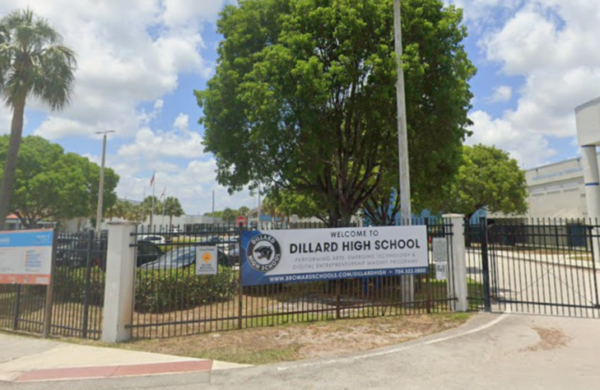
A Fort Lauderdale reading teacher with more than two decades at the same school was arrested Thursday and booked into the Broward County Main Jail after investigators say the Fort Lauderdale teacher allegedly groped a 16-year-old student and attempted to establish an inappropriate relationship with her.
Basil Billings, 63, faces charges of offense against a student by an authority figure and lewd and lascivious touching of certain minors, according to online jail records. He has been listed on the Broward County Public School District's website as a reading teacher at Dillard High School, where he has worked since 2004. A spokeswoman for the Fort Lauderdale Police Department said Billings was taken into custody at a Broward County Public Schools Administration office as the result of an investigation into a series of incidents involving a student at the school.
The spokeswoman stated that Billings had attempted to have an inappropriate relationship with a student, including inappropriate comments, notes, and physical touching. According to the arrest report, the misconduct began in October 2025 when the victim was 16 years old. Investigators say Billings allegedly squeezed the girl against his body in what the report describes as an over-aggressive hug, and as he released her, used his hand to intentionally grab her breast for several seconds. On January 7, he passed a note to the victim telling her to stay after class, and when class ended, he allegedly made her take down his cellphone number in an attempt to obtain hers. She never contacted him, investigators said.
The allegations sent shock waves through the Dillard High School community. Student Javious Tafari stated he was blindsided by the news. "Just shocked, surprised," he said. "Never really thought he would be arrested for that or arrested in general." Other students expressed similar reactions of surprise and disgust.
Jail records confirm Billings had no prior arrests before Thursday. He has been listed on the Broward County Public School District's website as a reading teacher at Dillard High School, where records show he has worked since 2004. Billings appeared in court Friday morning, where a judge set his bond at $35,000 and ordered him to have no contact with the victim or any minors and to stay away from all schools.
The Broward County Public Schools district said in a statement that it is deeply disturbed by the allegations and that Billings was placed on administrative reassignment away from the school and students on May 1, 2026, due to the ongoing investigation. The district said it will take all appropriate actions, up to and including termination, based on the outcome of the case, and that it continues to work closely with law enforcement while deferring to the Fort Lauderdale Police Department for any additional information.
The factual information above was sourced from local10.com as of June 1, 2026.
The attorney commentary below is not specifically about the case reported above. Attorney commentary provided is information about these types of cases in the justice system.
When a teacher is accused of sexually abusing a student, the criminal charges that follow are only part of the story. Victims and their families are often left with painful questions about what comes next and whether anyone beyond the individual accused will ever be held accountable. Miami-based sexual abuse attorney Michael Haggard spent decades representing survivors of institutional abuse across Florida. He guides us through the civil legal options available to victims and why taking action sooner rather than later can make all the difference.
Editor Darla Medina: When a student is sexually abused by a teacher, what legal options do they have beyond the criminal case?
Attorney Michael Haggard: The criminal case and the civil case are two completely separate tracks. A victim does not have to wait for a criminal conviction to file a civil lawsuit. In Florida, a victim can sue the individual who harmed them, but more importantly, they can also sue the school district if there is evidence that the district knew or should have known about the abuse and failed to act. That is where we often see the most significant accountability.
Medina: Can a school district really be held responsible for the actions of one of its employees?
Haggard: Absolutely. School districts have a legal duty to protect students in their care. If administrators received complaints, observed warning signs, or failed to properly screen or supervise an employee, the district can face serious civil liability. Florida law allows victims to pursue claims against public school districts, though there are specific notice requirements and damage caps that an attorney needs to walk you through carefully.
Medina: What about the statute of limitations? Does a victim have a limited window to take action?
Haggard: This is something families need to understand right away. Florida has made significant changes to its laws in recent years to give survivors more time to come forward, particularly in childhood sexual abuse cases. However, the clock does start ticking, and certain claims against government entities require written notice within a very specific timeframe — sometimes as short as three years. Waiting too long can eliminate options that would otherwise be available.
Medina: What would you say to a family that is hesitant to come forward?
Haggard: I would tell them that coming forward is one of the hardest things a family will ever do, and that hesitation is completely understandable. But I would also tell them that civil litigation is not just about money — it is about accountability. It forces institutions to answer for what happened and, in many cases, leads to policy changes that protect other children. No family should have to navigate that process alone, and a consultation with an experienced attorney costs nothing.
If you or someone you love has been sexually abused by a teacher or any other authority figure, time matters. The legal window to take action is limited, and every day that passes can affect your options. Our attorneys stand beside survivors and their families, holding individuals and institutions accountable for the harm they have caused. The consultation is free, the conversation is confidential, and there is no obligation. Call us today and let us help you understand your rights.

 info@legalherald.com