
Legal Analysis By Attorneys
Breaking Legal News
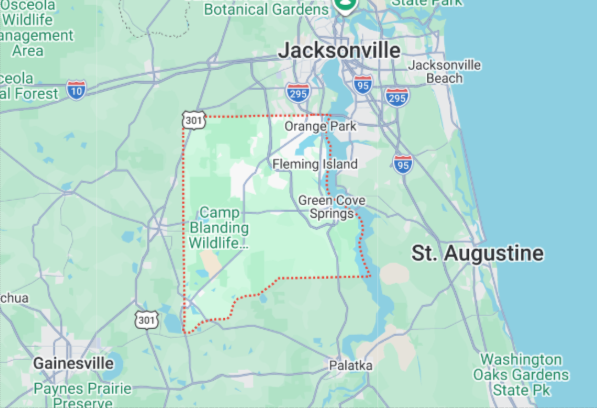
A 50-year-old substitute teacher and youth basketball coach is behind bars Tuesday following a Clay County Sheriff's Office investigation into allegations of child exploitation, authorities announced. The Orange Park youth coach allegedly possessed child sex abuse material.
Tyrone Julius Ferguson, of Orange Park, was taken into custody without incident after deputies from the sheriff's SWAT and Special Operations divisions, alongside members of the Northeast Florida INTERCEPT task force, executed a search warrant at an apartment located at 1863 Wells Road.
Detectives with the Internet Crimes Against Children unit questioned Ferguson on-site while officers processed the residence for evidence. That investigation yielded probable cause to charge Ferguson with four counts of allegedly possessing, controlling, or intentionally viewing child sexual abuse material, as well as two counts of possessing animal sexual abuse material.
Ferguson was subsequently booked into the Clay County Jail.
Ferguson's roles as both a substitute teacher and a youth basketball coach placed him in regular contact with children, amplifying the gravity of the allegations against him. Authorities have not yet disclosed whether any minors connected to those roles are part of the ongoing investigation.
Clay County Sheriff Michelle Cook addressed the arrest directly, making clear her office's position on crimes against children.
"The Clay County Sheriff's Office will continue to hold those victimizing our most vulnerable accountable — every time, no exceptions," Sheriff Cook said. "The safety, dignity and future of our children depend on swift and unwavering justice."
The sheriff's office confirmed the investigation remains active. Anyone with information is urged to contact Detective Eva Solis directly at esolis@claysheriff.com or by calling 904-264-6512.
The factual information above was sourced from news4jax.com as of June 1, 2026.
The attorney commentary below is not specifically about the case reported above. Attorney commentary provided is information about these types of cases in the justice system.
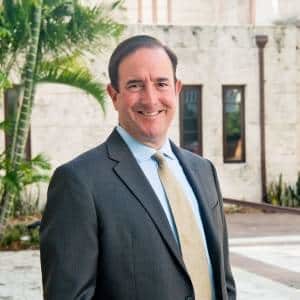
When a child is sexually abused by someone entrusted with their development — a coach, a mentor, a trusted adult in a position of authority — the fallout extends far beyond the final whistle. Families are left navigating trauma, confusion, and a legal landscape that few are prepared for. Florida sexual abuse attorney Michael Haggard has spent years standing alongside survivors and their families, guiding them through both the emotional and legal complexities that follow abuse at the hands of a coach. He breaks down what survivors and their families need to know about their civil legal rights, what organizations can be held accountable, and why coming forward — even when it feels impossible — can make all the difference.
Editor Darla Medina: When a child has been sexually abused by someone in a coaching role, what is the first thing a family should do from a legal standpoint?
Attorney Michael Haggard: The first step is to make sure the child is safe and has access to proper support — a counselor or therapist who specializes in trauma. From a legal perspective, families should contact an attorney who handles sexual abuse cases as soon as possible. Evidence can disappear quickly, and early action helps preserve it. There are also strict deadlines under Florida law that families need to be aware of.
Medina: Many families may not realize they have civil legal options separate from the criminal case. Can you explain that?
Haggard: Absolutely, and this is something families often overlook. A criminal prosecution is handled by the state — the family has no control over it and receives no financial compensation from it. A civil lawsuit is entirely separate. It allows survivors to hold the abuser directly accountable in court and, in many cases, to also pursue claims against the organizations that employed or supervised that person. If proper background checks were not conducted, if warning signs were ignored, or if abuse was not reported when it should have been, those organizations can face significant civil liability.
Medina: What damages can survivors recover in a civil case?
Haggard: Florida law allows survivors to seek compensation for a wide range of damages — medical and therapy costs, emotional pain and suffering, loss of quality of life, and in cases where an organization acted with particular negligence or recklessness, punitive damages may also be available. These cases are not just about money. For many survivors, filing a civil lawsuit is about being heard, being believed, and making sure the same thing does not happen to another child.
Medina: What would you say to a parent or survivor who is hesitant to come forward?
Haggard: I would say that hesitation is completely understandable — this is one of the most difficult things a family will ever face. But I have seen firsthand how empowering the legal process can be for survivors when they are properly supported. You do not have to navigate this alone. Reputable attorneys who handle these cases typically offer free, confidential consultations and work on a contingency basis, meaning there are no upfront costs. Coming forward not only helps the survivor — it often protects other children who may still be at risk.
If your child has been sexually abused by a coach, teacher, or any person in a position of trust, time matters. Evidence fades, deadlines approach, and the window to take action can close faster than most families realize. Our team of attorneys are ready to listen, fight for you, and make sure the people and organizations responsible are held fully accountable. Contact us today for a free, confidential consultation — because your family deserves answers, and your child deserves justice.

 info@legalherald.com