
Legal Analysis By Attorneys
Breaking Legal News
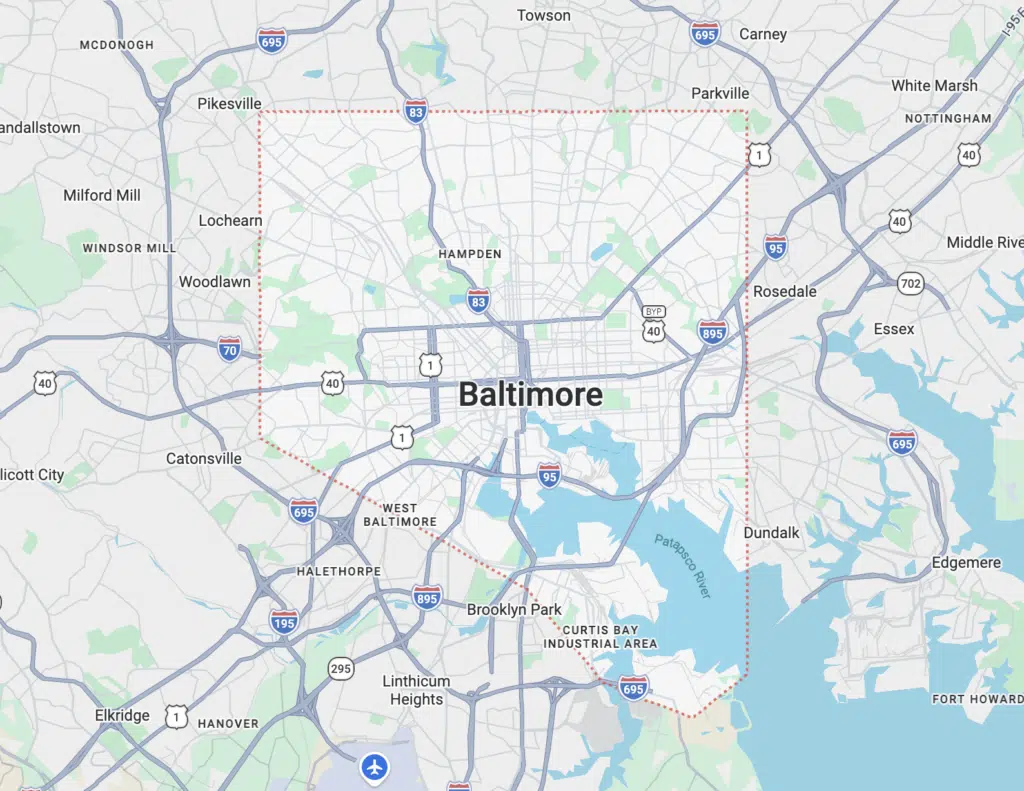
A former substitute worker at a Baltimore daycare center has been federally indicted on charges of child sexual exploitation and possession of child sexual abuse material following an investigation by the FBI and the Baltimore Police Department.
Simone Unadrea Avery, 23, of Baltimore, is among the most alarming cases of a Baltimore Daycare Worker Accused of Child Sexual Exploitation in Maryland to be brought before federal prosecutors in recent months. Avery faces one count of sexually exploiting a child and two counts of possessing child sexual abuse material, with a conviction carrying a mandatory minimum sentence of 15 years in federal prison.
According to the three-count federal indictment, on April 23, 2024, Avery — who was employed at the daycare center as a substitute worker — allegedly produced two image files depicting a prepubescent minor engaged in sexually explicit conduct while on the job.
In addition to the production charge, investigators allege that Avery possessed an iPhone and a hard drive, each containing one or more visual depictions of a prepubescent minor engaged in sexually explicit conduct. Those items form the basis of the two possession counts included in the indictment.
The charges Avery faces carry severe federal sentencing consequences. If convicted of sexually exploiting a child, she faces a mandatory minimum of 15 years and a maximum of 30 years in federal prison. A conviction on the possession of child sexual abuse material charges carries a mandatory minimum of 10 years and a maximum of 20 years in federal prison.
As with all federal indictments, Avery is presumed innocent until proven guilty at a later criminal proceeding.
The prosecution is being brought as part of Project Safe Childhood, a nationwide initiative launched by the Department of Justice in May 2006 to combat the sexual exploitation and abuse of children. The initiative coordinates federal, state, and local resources to locate, apprehend, and prosecute individuals who sexually exploit children and to identify and rescue victims.
The factual information above was sourced from justice.gov as of May 26, 2026. The attorney commentary below is not specifically about the case reported above. Attorney commentary provided is information about these types of cases in the justice system.

When a trusted daycare worker is accused of sexually exploiting a child in their care, families are often unaware that the criminal process is only one avenue available to them. Legal Herald editor Paul Amess spoke with Maryland sexual abuse attorney Aaron Blank about the civil legal options that may be available to families in cases involving alleged sexual exploitation by a childcare worker.
Paul Amess: Aaron, when a daycare worker is accused of sexually exploiting a child in their care, what civil legal options may families have beyond the federal criminal case?
Aaron Blank: Cases involving the alleged sexual exploitation of a child by a daycare worker are among the most devastating matters families can face, and the civil legal options available to them can be significant. Beyond any claims against the individual accused, families may have strong grounds for civil action against the daycare facility itself. Childcare providers have a fundamental duty to screen their employees thoroughly, supervise their conduct, and maintain a safe environment for the children in their care. When that duty is allegedly breached and a child is harmed, the institution can face serious civil liability.
Paul Amess: In cases involving a substitute worker rather than a full-time employee, does that affect the potential liability of the daycare facility?
Aaron Blank: Employment status alone does not necessarily shield a facility from civil liability. What matters in a civil case is whether the facility placed an individual in a position of unsupervised access to children and whether proper screening and oversight procedures were followed. A substitute worker still operates under the authority and supervision of the facility, and the same duty of care applies regardless of the employment classification.
Paul Amess: What would you say to a family in Maryland whose child attended a daycare where a worker has been accused of this type of conduct?
Aaron Blank: I would urge them to speak with an experienced attorney as soon as possible. Federal cases of this nature can take time to work through the courts, but civil claims operate on their own timeline with their own deadlines. Waiting for the criminal case to conclude before exploring civil options is a common mistake that can limit a family's ability to act. A confidential, no-cost consultation with an attorney is the most important first step any family can take.
If your child attended a daycare or childcare facility in Maryland or any other state where a worker has been accused of sexual exploitation or possession of child sexual abuse material, you may have the right to pursue civil action and recover financial compensation. Contact The Legal Herald today to be connected with an experienced Maryland sexual abuse attorney for a free, no-obligation consultation.

 info@legalherald.com