
Legal Analysis By Attorneys
Breaking Legal News
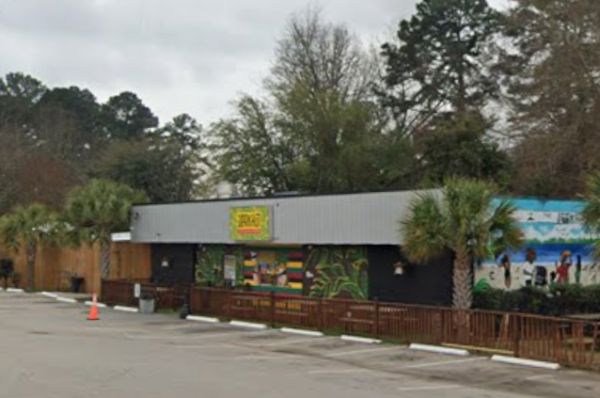
The Richland County Sheriff's Department has identified a suspect wanted in connection with a fatal shooting that left one person dead and several others wounded outside a Columbia restaurant and club this past weekend. A manhunt is underway for Azavius Jones after a fatal shooting at the Jerk Hut in South Carolina, prompting the sheriff to order the club closed.
Deputies say they are searching for 24-year-old Azavius Jones, who allegedly faces a murder charge along with five counts of attempted murder. Jones is considered armed and dangerous and remains at large.
The shooting happened early Sunday morning at the Jerk Hut, a restaurant and club located in the 1000 block of Zimalcrest Drive. Deputies who responded to a shots-fired call found multiple people suffering from gunshot wounds.
One man was killed, and five other people were injured by gunfire, and additional victims were hurt after being trampled as the crowd scrambled to flee the scene, according to a sheriff's department report.
Richland County Sheriff Leon Lott described the gunman's actions in blunt terms during a press conference announcing the suspect's name.
"This is an example of someone who just didn't care," Lott said. "He stood right where y'all are standing with a pistol — a fully automatic pistol — and fired more than 20 rounds into the crowd. No real intended target — just people in the crowd. Just total disregard for human life."
Lott and other officials said the shooting was not an isolated event at the Jerk Hut. During the press conference, law enforcement pointed to seven separate shooting victims tied to the location over the past two months, along with numerous other reported crimes there.
That history factored directly into the sheriff's decision to take action against the business itself, separate from the ongoing search for Jones.
Working with the Richland County administrator, Lott announced the Jerk Hut would be shut down immediately and formally declared a public nuisance.
Deputies moved on the order without delay, placing a lock and chain across the building's entrance shortly after the press conference ended.
"We're doing it today because they don't deserve to be open this weekend," Lott said. "They don't deserve to be open any time whatsoever. So this big chain is going on the door. As of right now, the owner's been notified that it is closed. It will not reopen."
As of this report, Jones has not been taken into custody. Anyone with information on his whereabouts is asked to contact the Richland County Sheriff's Department.
The factual information above was sourced from wistv.com as of June 19, 2026.
The attorney commentary below is not specifically about the case reported above. Attorney commentary provided is information about these types of cases in the justice system.
Shootings at restaurants, bars, and clubs raise a question many victims never think to ask until it's too late: Can anyone besides the shooter be held responsible? We sat down with South Carolina crime victim attorney Michael Haggard to break down what injured patrons need to know about pursuing compensation, the role property owners and businesses can play in these cases, and how quickly evidence can disappear after a violent incident.
Editor Darla Medina: When someone is shot at a restaurant or club, most people assume the only person who can be held responsible is the shooter. Is that accurate?
Attorney Michael Haggard: Not at all, and that's one of the biggest misconceptions victims have. The shooter is criminally responsible, but criminal prosecution doesn't compensate the victim. On the civil side, we look hard at the property owner and the business operating there. Bars and clubs have a legal duty to provide reasonably safe premises. That includes adequate security, proper lighting, trained staff, and a system for spotting trouble before it turns violent.
Medina: What does that look like in practice? How do you determine whether a business failed in that duty?
Haggard: We look at prior incidents at that location. Had there been fights, weapons confiscated, prior shootings, police calls? If a business knew or should have known that violence was foreseeable and didn't respond by hiring security, using metal detectors, or changing how they screened patrons, that's where liability often attaches. Foreseeability is the whole case in a lot of these claims.
Medina: Are these cases typically filed against the business owner directly, or can a property landlord also be named?
Haggard: Both can potentially be on the hook, depending on the lease structure and who controls security decisions. Sometimes it's the business operator, sometimes it's the property owner, and sometimes liability gets shared. Every case depends on contracts, on who had control over the property's conditions, and on local ordinances governing nightlife establishments.
Medina: What should someone do if they're injured in a shooting at a business like this?
Haggard: Get medical treatment first and document everything. Photos of the scene if possible, names of witnesses, any security footage that might exist before it gets erased. Cameras often record over old footage within days or weeks, so time matters. Then talk to an attorney quickly, because evidence preservation and witness memory both degrade fast.
Medina: Is there a deadline for victims to take legal action in South Carolina?
Haggard: South Carolina generally gives injury victims three years from the date of the incident to file a civil claim. That sounds like a long time, but the cases that succeed are usually the ones where evidence was locked down early. Waiting costs victims real leverage.
Medina: Any final thought for someone going through this right now?
Haggard: Just that recovery isn't only physical. There are medical bills, lost income, and trauma that follows people long after the news cycle moves on. Victims deserve to know their options extend well beyond whatever happens in the criminal case against the shooter.
Every day that passes after a shooting can mean lost evidence, faded witness memories, and missed opportunities to hold the right parties accountable. Victims and their families don't have to face that uncertainty alone. Contact The Legal Herald today to be connected with an experienced attorney for a free, no-obligation consultation, and find out what legal options may be available.

 info@legalherald.com